Segmentation improves performance because it turns a database into actionable targeting: targeted emails reach 29-30% open rates vs ~20% for generic campaigns. With Bancomail, you can build precise segments (1,800+ micro-categories, geography, e-commerce, tech stack) and activate them in MailSenpai with automated, personalized flows. The result is a 30-40% higher ROI driven by relevance from the first touchpoint.
Smart Segmentation: Turning Data Profiling into Strategic Targeting
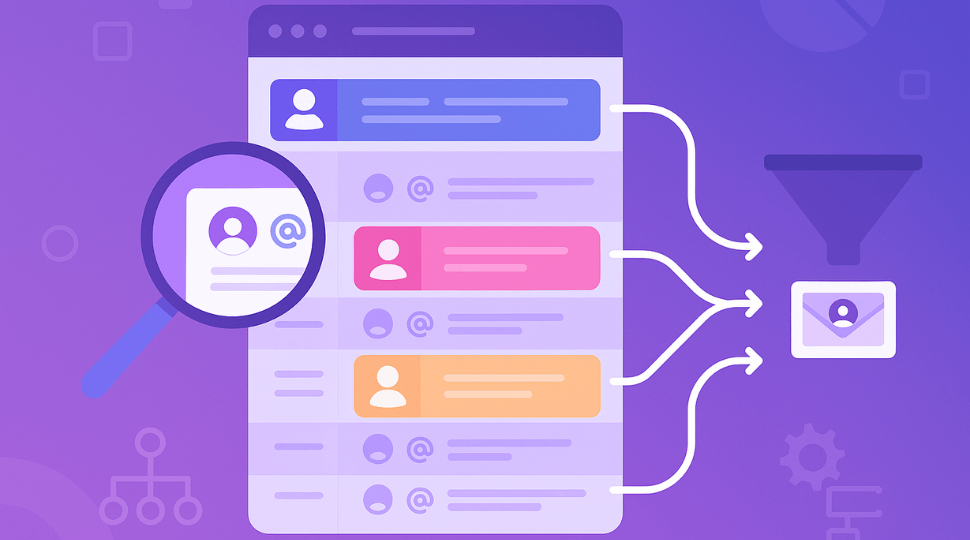
In digital marketing, the word segmentation is often cited as a golden rule. But between saying “send more targeted emails” and actually building a data-driven strategy, there’s a big gap.
Segmentation isn’t just about splitting a contact list into similar groups — it’s about giving data the ability to speak, organizing it so it tells stories, needs, and potential connections.
Bancomail and MailSenpai combine complementary expertise to bring this principle into daily practice: on one side, structured, verified B2B data; on the other, automation and segmentation tools that turn it into personalized, scalable communication.
1. Why segmentation isn’t just a best practice
Every email marketing strategy starts from one key truth: not all contacts are the same.
A single, identical message sent to everyone will produce mediocre results because it ignores crucial differences: industry, location, business type, online presence, technologies used, and more.
Segmentation means exactly this — giving data context, understanding who you’re talking to and in what scenario they operate.
Example:
- A company selling packaging solutions gains little by sending the same message to a restaurant and to a cosmetics e-commerce store.
- Similarly, a logistics software provider will find more interest among online retailers than in purely B2B manufacturers.
In both cases, segmentation is what turns a database into a strategic asset — an archive that holds not just names, but insight.
2. From demographic profiling to strategic targeting
The starting point is corporate data profiling. Bancomail collects, validates, and organizes business data with multiple levels of detail, offering precise targeting options for highly defined audiences.
2.1 Industry segmentation and microcategories
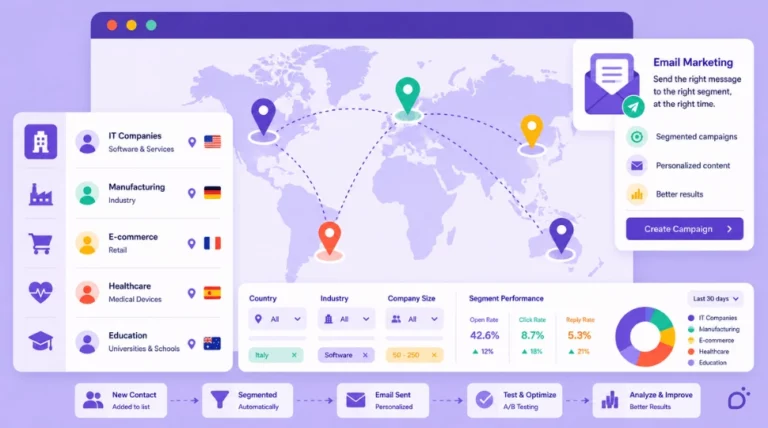
With over 1,800 B2B microcategories, you can filter companies not only by industry, but by specialization — for instance: non-alcoholic beverage producers, HoReCa suppliers, architecture firms, digital agencies.
This granularity lets you align tone and content to the recipient’s language and priorities.
2.2 Geographic segmentation
Campaigns can be filtered by Country, Region, Province, City, or ZIP code, allowing targeted actions in specific areas or local markets.
Useful for seasonal promotions, regional events, or differentiated communication by area, with matching logistics or language variants.
2.3 E-commerce presence and site technologies
Among the most strategic filters are e-commerce presence, site technologies (CMS, frameworks, tracking systems), and social presence.
These help distinguish who already sells online from who doesn’t, and adapt the message to each segment’s digital maturity — a valuable indicator for IT, logistics, or marketing providers.
2.4 Company and structural data
Each record includes key corporate details: company name, address, verified email, website, company size (when available).
By combining parameters, you can create complex but coherent targets, such as:
- Fashion companies using Shopify in Northern Italy
- Marketing agencies in Spain active on LinkedIn with up to 50 employees
- Independent hotels with outdated WordPress sites and booking plugins
This reliable database is the foundation for strategic segmentation and highly relevant cold-email campaigns.
3. From data to action: how to use segments in your platform
Once segments are built, it’s time to put them to work.
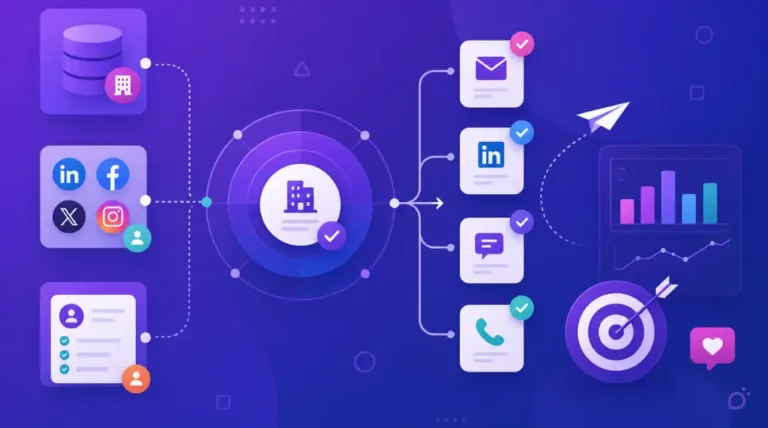
Our partner MailSenpai allows you to turn Bancomail segmentation into targeted cold-email campaigns, where every message starts from a clear context — industry, geography, technology, or e-commerce presence.
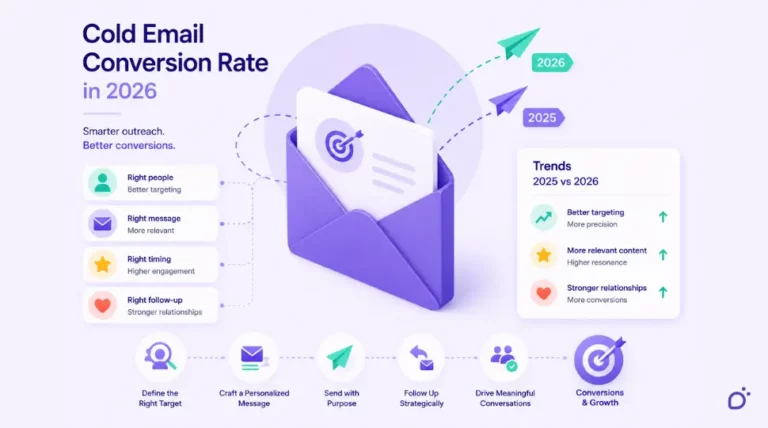
In B2B, cold email remains one of the most effective ways to start business relationships. But attention spans are minimal: you have just a few seconds to prove relevance.
A focused message (“Managing fast deliveries in Northern Italy can be a challenge…”) sounds useful and credible — even from a stranger — while a generic one gets ignored. The difference comes from segmentation.
3.1 Dynamic segments and automatic conditions
In MailSenpai, contacts can be grouped into dynamic lists based on logical conditions and auto-updating filters.
This allows you to:
- create different flows depending on funnel stage;
- automatically send campaigns to contacts in a given microcategory or region;
- temporarily exclude those who already received a specific message.
3.2 Segments for cold outreach
After importing data from Bancomail, profiling filters become operational segments.
You can, for example:
- create one segment per microcategory (logistics, food service, IT services);
- differentiate messages by region;
- apply tags like “E-commerce: yes/no” or “CMS: WordPress/Shopify”.
Use case: a furniture and design brand can duplicate its main flow into two tailored versions:
- Path A – With e-commerce: focus on order management and shipping (“Reduce delivery times for your online orders”).
- Path B – Without e-commerce: more advisory tone, focused on digital transformation (“From catalog to cart: bringing your design online”).
MailSenpai manages automation, follow-ups, and removals, keeping messaging coherent across groups.
3.3 Segment-based automations
Once segments are ready, the operational phase begins: progressive sends and response tracking.
MailSenpai enables automated cold-email sequences with controlled timing and logic rules.
- Email 1 – Targeted intro: short, contextual (“We noticed your company operates in the e-commerce logistics sector…”).
- Email 2 – Value follow-up (3–4 days later): adds a use case or industry-specific benefit.
- Email 3 – Closing or perspective shift: final contact with a more direct tone (“Can I share a short example of how similar companies optimized their process?”).
You can also personalize email content by segment — one campaign, many variations:
different texts, visuals, or CTAs for each audience.
Examples:
- A single monthly newsletter, but with a different “highlight” section per industry (logistics, IT, food).
- Same layout, but different offers for e-commerce vs non-e-commerce.
- A “local events” block shown only to recipients in that region.
This creates a unified structure with higher relevance, improving both open and conversion rates.
3.4 Monitoring and continuous optimization
Each segment generates measurable data — opens, clicks, replies, unsubscribes — helping you identify which audiences perform best and where to adjust.
The result: a continuous improvement loop where segmentation refines campaigns, and campaigns return insight to refine segmentation.
4. Avoiding common mistakes
Segmentation can be a strength or a headache if handled poorly.
| Mistake | Effect | Solution |
|---|---|---|
| Segments too generic | Irrelevant messages, low open rates | Combine multiple filters (industry + location + e-commerce) |
| Segments too small | Low volume, unreliable testing | Merge similar microcategories into coherent clusters |
| Static segments | Outdated targeting, poor performance | Use dynamic lists with regular updates |
| Identical messages across all segments | Missed personalization opportunities | Create segment-based flows in MailSenpai |
| Poor data hygiene | Bounces, inactive contacts, bad sender reputation | Use verified, clean B2B data like Bancomail’s |
5. The value of relevance in the first contact
Segmented campaigns clearly outperform mass sends.
Industry benchmarks show:
- Targeted emails achieve 29–30% open rates vs 20% for general campaigns.
- Click-through rates are up to 5× higher when content matches the segment.
- Companies combining segmentation and automation report a 30–40% ROI increase.
Behind the numbers lies a simple logic: people respond better when they feel the message is for them.
6. Conclusion: from database to strategy
Segmentation isn’t a formality — it’s a strategic choice that multiplies campaign effectiveness.
Every filter, every data point, every nuance helps make your communication more relevant, targeted, and valuable.
- With Bancomail, you get verified B2B databases rich with real segmentation parameters: industry, geography, e-commerce presence, tech stack, social data, and more.
- With MailSenpai, you can activate this data through smart automation that speaks to each target at the right time.
It’s the combination of data precision and execution power that drives real results: less waste, more engagement, more conversions.
👉 Get your 20% MailSenpai discount reserved for Bancomail clients.

Francesca Grillo
With a hybrid background in visual design, marketing, and product management, Francesca works at Bancomail as Project Manager and Product Owner, leading digital development and lead generation strategies. For over 15 years, she has operated in both B2B and B2C contexts, focusing on email marketing, process optimization, and customer experience. She is part of Bancomail’s internal B2B Marketing Board and actively contributes to the growth of the company’s ecosystem, with a sharp focus on data value and communication quality. Passionate about writing and nonprofit digital projects, she believes in blending technical vision with narrative sensitivity.